Dairy farmers urged to refocus on grass as margins tighten in 2026
- Love Ballymena

- Mar 29
- 3 min read

Dairy farmers across Northern Ireland are being urged to return to basics and refocus on grass and grazing as falling milk prices and rising costs begin to squeeze farm incomes in 2026.
Despite a strong performance last year, experts warn that the early months of this year have already exposed vulnerabilities in farm profitability — with challenging weather and market uncertainty testing the resilience of producers.
Conail Keown, Senior Dairy Adviser at the College of Agriculture, Food and Rural Enterprise (CAFRE), says the answer lies in a renewed focus on one of farming’s simplest and most powerful tools: grass.
“All dairy farmers have one thing in common regardless of cow breed or location, that is grass forms the cornerstone of the diet whether grazed or silage.”
Profits under pressure after strong 2025
The warning comes after a profitable 2025 for many farms, with milk production rising by 7.8% compared to 2024 and average farm-gate prices reaching 42.14p per litre.
However, that momentum has shifted.
The start of 2026 has seen milk prices fall, while uncertainty around fertiliser costs — driven by wider global pressures — is adding further strain. Combined with poor ground conditions in January and February, many farms are now facing tighter margins.
There are no quick fixes, advisers say — but returning to core principles could make the difference.
Why grass matters more than ever
CAFRE benchmarking data shows a clear pattern: the more grass a cow consumes, the more profitable the farm.
High-quality grazed grass and silage remain the most cost-effective feed sources available — and increasing their use is seen as critical to maintaining margins.

The chart below highlights the link between Milk from Forage (MFF) and farm net margin. Based on CAFRE benchmarking data from 2023 and 2024 the most profitable dairy enterprises produced the highest quantity of milk from grass and forage.
This means not only growing more grass, but ensuring cows are utilising it efficiently.
The message is echoed across Ireland, with similar findings from Teagasc reinforcing the link between grass-based systems and profitability.
Weather challenges delaying progress
Difficult weather conditions in early 2026 have disrupted key farming activities, particularly slurry spreading and early grazing.
With wet ground limiting access, many farmers have had to delay applications — and are now being advised to prioritise silage ground rather than grazing areas to avoid setbacks.
Instead, the focus for grazing blocks should be on getting cows out as early as conditions allow.
March is seen as a critical window to set up the grazing season, with early grazing helping to ensure high-quality grass for the second rotation later in spring.
Fertiliser costs and environmental balance
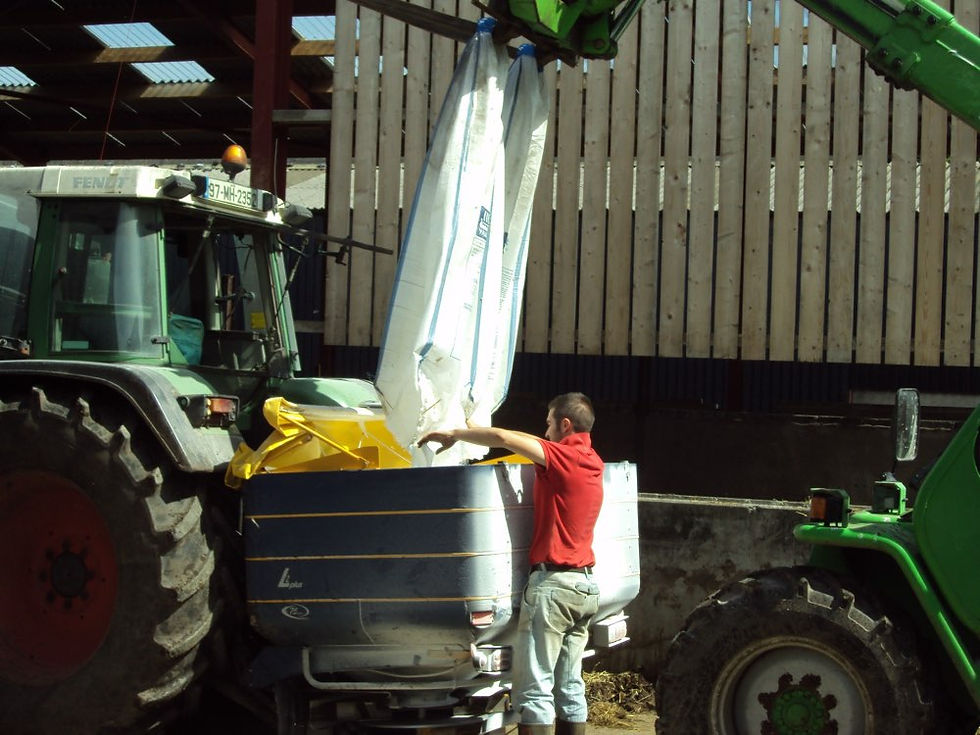
With slurry delayed, chemical nitrogen is expected to play a larger role — particularly protected urea, which offers strong performance while reducing environmental losses.
However, rising fertiliser prices are becoming a growing concern, with global political factors pushing costs higher and placing further pressure on farm profitability.
At the same time, advisers warn against over-application of nutrients, particularly where phosphorus and potassium levels are already sufficient — both for cost control and environmental protection.
The ‘most important hour of the week’
Farmers are being encouraged to sharpen their grass management skills — starting with a simple but crucial habit: walking the farm.
Measuring grass weekly is described as “the single most important hour of the week”, allowing farmers to track growth, plan grazing, and make informed decisions.
Key metrics such as average farm cover, growth rates, stocking levels, and daily grass allocation can significantly influence outcomes.
Technology and grass measurement tools can support this process, helping reduce guesswork and improve efficiency.
Infrastructure key to success
Beyond grass management, farm infrastructure is also under the spotlight.
Well-maintained laneways, improved access points, and better paddock design can all increase the number of grazing days — while reducing damage to land and preventing lameness in cattle.
Even small improvements can have a meaningful impact on herd performance and overall farm efficiency.
A mindset shift for a tougher year ahead
Ultimately, advisers say 2026 will demand flexibility, planning, and a willingness to adapt.
Growing and utilising quality grass will remain central — but achieving this will require time, focus, and, in some cases, a shift in mindset.
With pressures already mounting, those who prioritise strong fundamentals are likely to be best positioned to weather the challenges ahead.
At a glance
Dairy farmers in Northern Ireland face tighter margins in 2026
Milk prices have fallen after a strong 2025 performance
Rising fertiliser costs and poor early-year weather add pressure
CAFRE highlights grass as the key driver of farm profitability
More grass in the diet leads to higher margins on dairy farms
Early grazing and good spring management are critical
Slurry spreading delayed due to wet ground conditions
Weekly grass measurement is essential for effective management
Infrastructure improvements can boost grazing efficiency
Farmers urged to plan ahead and adapt to a challenging year