Audit report warns of major gaps in Northern Ireland education oversight as Minister backs reform push


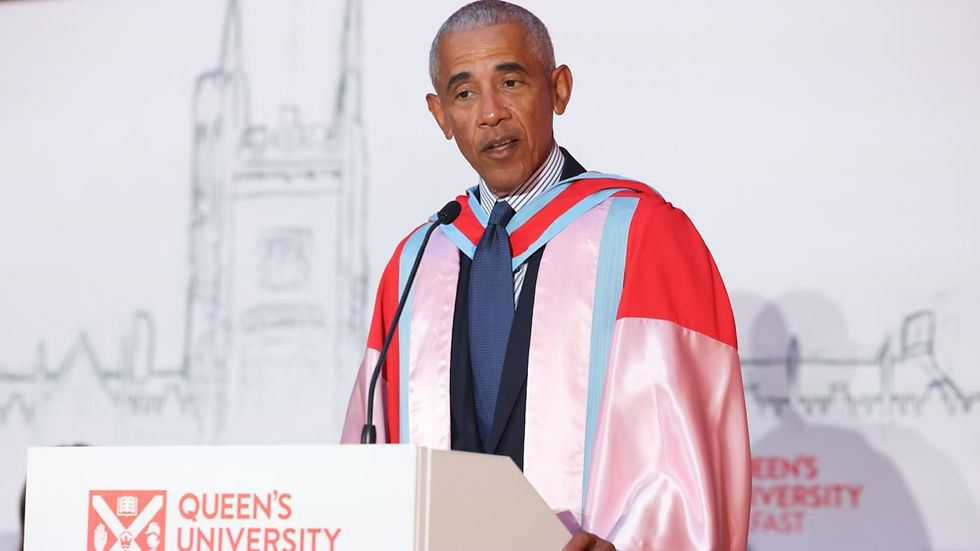
Pictured: Northern Ireland Education Minister Paul Givan
Serious weaknesses in school assessment data and a decade of disrupted inspections have left major blind spots in understanding the quality of education being delivered across Northern Ireland, according to a significant new watchdog report.
The findings, published today by the Northern Ireland Audit Office, place fresh pressure on the Department of Education and reinforce calls for urgent reform across the school system.
The report, Assessing the Quality of Education in Northern Ireland, was published by Comptroller and Auditor General Dorinnia Carville and examines how the Department gains assurance on standards across more than 1,400 schools and early years settings.
While the report acknowledges areas of strong performance, it warns that substantial gaps in data and the long-running disruption to school inspections have limited the ability to fully assess how well children are being served.
Education Minister Paul Givan has welcomed the report, saying its findings support the Department’s reform agenda through the TransformED strategy.
Watchdog highlights “significant weaknesses”
The report paints a mixed picture of Northern Ireland’s education system.
On one hand, it notes that GCSE and A-level outcomes have improved and that Northern Ireland continues to perform strongly in international assessments.
However, it warns that this headline success masks serious structural weaknesses.
One of the most significant concerns is the absence of a clear, formal definition of what constitutes “quality of education” within Department policy and corporate documents.
Without that benchmark, the report says, monitoring standards across the system becomes far more difficult.
There is also a heavy reliance on examination outcomes at Key Stages 4 and 5, while much less information is available on pupil progress before GCSE level.
This means there is limited data for children in earlier school years, reducing the Department’s ability to identify underachievement and intervene before problems become entrenched.
For communities across Ballymena and the wider Northern Ireland region, this raises important questions around how early support is being targeted for pupils who may be falling behind.
Inspection system severely disrupted
A major section of the report focuses on the impact of Action Short of Strike on the Education and Training Inspectorate (ETI).
Over the past decade, industrial action has significantly restricted inspectors’ ability to enter classrooms and directly assess teaching and learning.
The scale of the disruption is stark.
Between 2018 and 2023, only 13 primary schools received a full inspection that was not affected by industrial action.
No post-primary schools received a full inspection during that period.
As a result, ETI was often left “unable to assure” parents, schools and policymakers about the quality of education being delivered.
The report also raises safeguarding concerns.
Because ETI is the only body that evaluates child protection arrangements during inspections, the disruption means fewer schools were identified where safeguarding required improvement.
This, the report warns, increases the risk that vulnerable children may not have received adequate support.
SEN oversight under pressure
The report also points to concerns around Special Educational Needs provision.
The lack of classroom observation has prevented inspectors from fully evaluating SEN support in schools during the period affected by industrial action.
This comes at a time when the number of pupils with SEN continues to rise sharply.
Education Authority spending on SEN is expected to reach £620 million in 2024–25.
Against that backdrop, the report warns that robust oversight of SEN provision has been undermined.
This is likely to resonate strongly with families across Ballymena and beyond, where access to support for children with additional needs remains a key issue.
Carville: “Good data and effective inspection are vital”

Commenting on the findings, Dorinnia Carville said:
“A high-quality education system is essential for children, families and wider society.
“This report acknowledges that there is much to be proud of in our education system – GCSE and A-level results have improved, and Northern Ireland has performed well in international assessments.
“However, significant information gaps and prolonged disruption to inspection have limited assurance on the quality of provision across our schools.”
She added:
“Good data, effective inspection and clear accountability are the cornerstones of system improvement.
“The Department’s TransformED NI strategy includes ambitions for making such improvements.
“These include proposals for earlier assessment, additional attainment measures, and reforms that will align Northern Ireland with the legislative protections for inspection seen in other UK regions.”
Ms Carville also stressed the financial significance of the issue, noting that nearly £3 billion is spent on the education system each year.
“My recommendations seek to ensure that the Department can define, measure and support high-quality education for every child, including those who are most vulnerable and disadvantaged.
“This is also vital in ensuring value for money in the almost £3 billion spent on the education system here every year.”
Minister says reforms already under way
Education Minister Paul Givan said the report underlines the importance of the Department’s TransformED programme.
He said the strategy will strengthen assessment, school improvement, inspection and accountability, including new literacy and numeracy checks for pupils aged eight, 11 and 14.
The Minister also called on political parties to support legislation designed to protect the school inspection process.
At a glance
Northern Ireland Audit Office has published a major education quality report
Report covers more than 1,400 schools and early years settings
Major gaps identified in pupil assessment data before GCSE level
School inspections have been heavily disrupted for almost a decade
No post-primary schools received a full unaffected inspection from 2018–2023
Safeguarding and SEN oversight have been weakened
SEN spending is set to reach £620 million in 2024–25
Nearly £3 billion is spent on education annually
Department says TransformED reforms are under way