


HSENI warns of serious risks to pregnant women during lambing and calving season

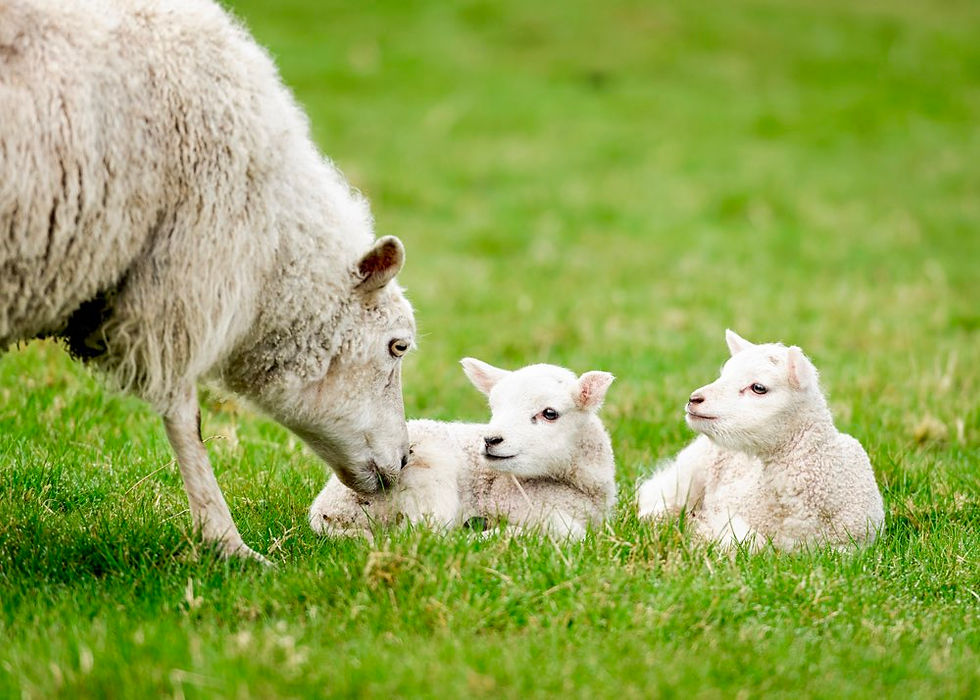
Pregnant women are being urged to stay away from lambing sheds, calving pens and all animals giving birth as the busy spring farming season gets under way, with the Health and Safety Executive for Northern Ireland warning that even limited exposure can pose serious risks to both mother and unborn baby.
The urgent warning comes as farms across Northern Ireland enter one of the most demanding periods of the year, with lambing and calving now in full swing. While the number of pregnancies affected by these infections remains low, officials have stressed that the consequences can be severe.
HSENI said pregnant women may be exposed to dangerous zoonotic infections carried by sheep, cows and goats that have recently given birth. These infections can have serious implications for pregnancy and the risk is not confined to the spring peak alone.
Officials have emphasised that any contact with animals giving birth at any time of the year can present a danger.
Clear warning for farming families
Dr Bryan Munson, Deputy Chief Executive for Health and Safety Executive for Northern Ireland, issued a direct warning to farm households and workers.
He said: “Pregnant women should never assist with lambing ewes, calving cows or kidding goats, and should avoid all contact with newborn animals, afterbirth, birthing fluids or contaminated bedding. Even indirect exposure—from handling clothing or boots used during lambing—can carry risk.
“We want every farm family to understand these dangers clearly so they can take the right precautions.”
The warning extends beyond direct contact with livestock.
HSENI has underlined that contaminated clothing, footwear, tools and bedding materials can also carry infection risk, meaning exposure can happen even when a pregnant woman is not physically present during the birth itself.
That includes handling boots used in sheds, washing workwear, moving equipment, or entering spaces where animals have recently given birth.
Official advice for pregnant women
HSENI is strongly advising that pregnant women should:
not help to lamb ewes, calve cows or assist nanny goats that are kidding
avoid all contact with aborted or newborn lambs, calves or kids
avoid exposure to afterbirth, birthing fluids or contaminated bedding
not handle or wash clothing, boots, tools or materials that may have been contaminated
ensure partners or family members involved in lambing follow strict hygiene procedures
seek immediate medical advice if they develop fever or flu-like symptoms
The agency said anyone who has concerns after spending time on or near a farm during lambing or calving should seek medical advice without delay.
Wider spring dangers facing farmers
Alongside the warning for pregnant women, HSENI has also highlighted the broader health and safety pressures that come with lambing and calving season.
For many farming families, spring brings long days, overnight checks and physically demanding workloads.
The agency said long hours and broken sleep can quickly lead to severe fatigue, increasing the risk of mistakes, slower reactions and poor decision-making around livestock.
Dr Monson said: “A tired farmer is a vulnerable farmer. Taking planned breaks, asking for help, and never entering a pen with a calving cow or protective ewe without a safe escape route are essential steps to prevent serious injury.”
The warning is particularly relevant during calving and lambing, when even normally placid animals can become unpredictable while protecting their young.
HSENI said farmers should never turn their back on a cow or heifer around calving time.
Key safety measures during lambing and calving
Farmers are also being reminded to follow basic but critical safety precautions during the busy period.
These include:
always carrying a fully charged mobile phone
telling someone where they are working
asking for help if a task feels unsafe to carry out alone
securing gates properly
ensuring a clear and safe escape route around livestock
The agency warned that startled animals, particularly mothers with newborn young, can become dangerous without warning.
Physical strain and injury risks also rising
Beyond infection and livestock risks, HSENI said spring workloads also significantly increase the risk of musculoskeletal disorders.
Heavy lifting, repetitive tasks, awkward movements in lambing pens and prolonged bending can all contribute to injury.
The agency said slips, trips and falls also tend to rise during this period, alongside exposure to other zoonotic diseases.
Dr Monson added: “Approaching the season well prepared, reviewing safety procedures and recognising early signs of strain or risk can make the spring workload safer and more manageable.”
Part of wider workplace health campaign
The renewed warning forms part of HSENI’s wider Workplace Health Campaign, which is focused on encouraging safer working practices across the farming sector.
The campaign is urging farmers not only to protect their livestock but also to prioritise their own physical and mental wellbeing during one of the most intense periods of the farming calendar.
With lambing and calving activity now increasing across Northern Ireland, the agency is urging farm families to review safety procedures immediately and take extra precautions, particularly where pregnant women may be present in rural home or work environments.
At a glance
HSENI has issued an urgent spring safety warning for pregnant women
Serious zoonotic infections linked to birthing animals can severely affect pregnancy
Risk applies to sheep, cows and goats that have recently given birth
Indirect exposure through clothing, boots and bedding can also be dangerous
Wider warnings issued to farmers over fatigue, livestock injury risks and heavy lifting
Lambing and calving season also increases risks of slips, falls and musculoskeletal strain
Advice forms part of HSENI’s wider Workplace Health Campaign


