Naomi Long calls for cross-party health reform agreement 10 years after Bengoa report

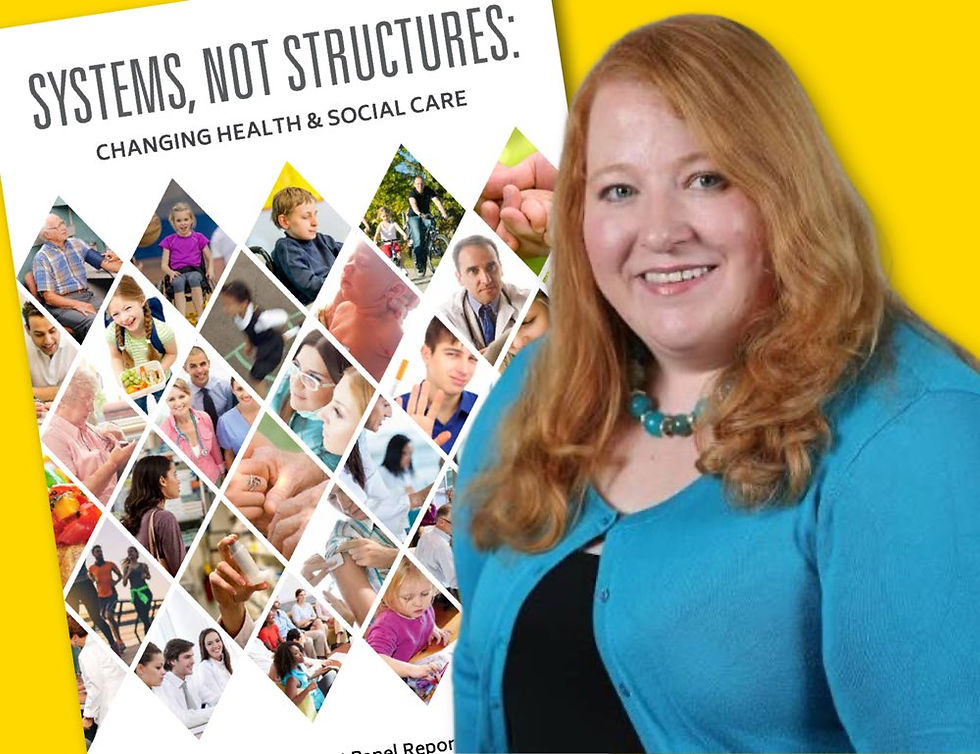
Alliance Party leader Naomi Long
Wednesday 14 October 2026
Alliance Party leader Naomi Long has called on Northern Ireland’s political parties to agree a shared approach to transforming health and social care, warning that vital services cannot continue on their current course.
The appeal comes on the tenth anniversary of the Bengoa report, which set out recommendations for reshaping Northern Ireland’s health service, amid continuing concerns about hospital services, GP provision, waiting times and workforce pressures.
Mrs Long is proposing a new Cross-Party Compact that would bring political leaders together to agree a common direction for reform, rather than allowing disagreements over the future of services to delay decisions.
Ten years since Bengoa
The call comes ahead of an Alliance Party event involving health experts in Belfast today (Wednesday 14 October), marking a decade since the publication of the Bengoa report.
The report outlined the need to transform how health and social care is organised and delivered in Northern Ireland, including moving towards more integrated services and changing how care is provided.
Mrs Long argues that successive health ministers have failed to deliver the scale of change required, leaving patients and staff facing growing pressures.
“People have lost faith in Stormont’s ability to deliver the transformative change our Health and Social Care system requires and we cannot allow our services to continue on their current downward trajectory any longer.
“Bengoa gave us a roadmap to transform health, but there has been a complete failure by successive health ministers to implement his findings, to the point where many key services are now approaching collapse.”
Warning over delays to reform
The Alliance leader said the consequences of failing to transform services extend across hospital provision, women's health, general practice, mental health, social care and staffing.
Her intervention comes as Northern Ireland continues to face difficult decisions about how hospital and community services should be organised, with potential changes affecting patients, families and healthcare workers across the region.
Mrs Long said:
“There can be no more excuses, and no more kicking the can down the road. The status quo is failing staff and patients alike across every postcode in Northern Ireland, and the hope for change that existed 10 years ago cannot be lost for yet another decade. From hospital reconfiguration to women’s health and GP services, to social care, mental health and workforce pressures, a failure to transform has delayed progress and caused immense harm to patients.”
Call for political agreement
Under Mrs Long’s proposal, political parties would be invited to work towards a shared position on the future of health and social care transformation.
The proposed compact is intended to establish common political support for reform, although details of how an agreement would operate, what commitments it would contain and whether other parties would participate have not yet been established.
Mrs Long said:
“We either come together now and fix this, or we may have nothing left to fix. Today, I am calling for a new Cross-Party Compact on transformation to make sure that all parties are on the same page regarding the future of our health service.
“This is an open invitation to the leaders of every other political party in Northern Ireland – if they are willing to sit around a table and work together to agree a common way forward to fix the system, I will be there.”
Implications for patients and staff
The debate over health service transformation has particular relevance for communities across Northern Ireland, including Mid and East Antrim, where decisions about hospital provision, access to specialist treatment and community healthcare can directly affect patients and their families.
Any wider political agreement would still need to address difficult questions about service configuration, staffing, resources and how patients access care.
Mrs Long concluded:
“Ill health and the need for health care do not discriminate. Alliance has proven willing to support the changes that are required to deliver better, and it is now up to other parties to join us in that effort to ensure we build a world-class service that staff, patients and their families deserve.”
The immediate question is whether other Stormont parties will accept the invitation to begin discussions. A decade after Bengoa, the challenge remains translating political agreement on the need for reform into decisions that make a measurable difference to patients and staff.